In Japan, school can be a lot different from school in the US. Things are done a whole lot differently in Japan. The Japanese academic year is usually longer, students wear cute uniforms, and everyone helps clean up the school after classes.
Lunchtime in Japan is pretty different too! Kyūshoku (給食, きゅうしょく), or Japanese school lunches, are convenient, affordable, and super healthy. Even the Japanese snacks that you can find at a regular konbini or Japanese convenience store.
Are you curious to know what kind of delicious things Japanese students eat for lunch at school? What kind of Japanese snacks, candies, and chips do they pass around during recess time? Well, put on your uniform and bring your backpack; we’re going to find out together.
What is Kyushoku or Japanese School Lunches?

In Japan, Kyūshoku is always known for being healthy and freshly prepared. Japanese school lunches usually consist of rice, a protein, a vegetable side, some soup, and a carton of milk or juice drink. The ingredients for these healthy lunches are usually made from scratch and sourced from local farmers. Nutritionists plan meals to make sure that students get a perfectly balanced meal.
Who pays for these Japanese school lunches, you ask? Well, parents usually pay a small fee of around ¥4,000–¥6,000 ($25–$40 USD) per month depending on the municipality the school is in. That makes Japanese school lunches or Kyūshoku nutritious and affordable for everyone!

Kyūshoku is part of Japan's food educational philosophy called Shokuiku (食育). This food education teaches students about the nutritional, cultural, and social significance of food and Japanese snacks. With Shokuiku, students help serve meals to their peers while wearing aprons and hairnets. Some even help prepare the food!
That’s because in Japan, schools usually don’t have cafeterias. Students deliver the food to the classrooms where students and teachers eat all together! After lunch, everyone helps clean up, returns the trays, and then brushes their teeth.
Japanese Bento Boxes

When students get older, particularly when they reach high school, Japanese school lunches are exchanged for bento box lunches made by parents or by students themselves. Bento (弁当 bentō) or obento (お弁当 obentō) are compact and nutritiously balanced lunches that are usually meant to be eaten at room temperature.

Japanese bento meals are healthy with a good portion of protein, carbs, vegetables, and fruits. They're arranged in aesthetically pleasing ways so students enjoy them more. Some bento boxes are even arranged so they look like popular kawaii characters. These bentos are called charabentos and are super popular online!
Konbini Snacks

Running late and don’t have enough time to make a bento on your own? Well, you can always head to the konbini (コンビニ) or convenience store to get some quick and healthy options. At the konbini, you can find a variety of good food to satisfy your hunger at lunchtime at school.

The konbini usually has a great selection of quick bites like onigiri (Japanese rice balls) with different fillings, musubi, yakisoba noodles, omurice, and savory sandos that can be eaten hot or cold. You can also find refreshing drinks and tasty desserts to finish your meal, like literal cup cakes (cakes in cups), cheesecakes, pudding, and so much more!
Want to experience Japanese lunchtime for yourself? Explore our collection of authentic Japanese snacks, candy, and konbini faves at Japan Candy Box!

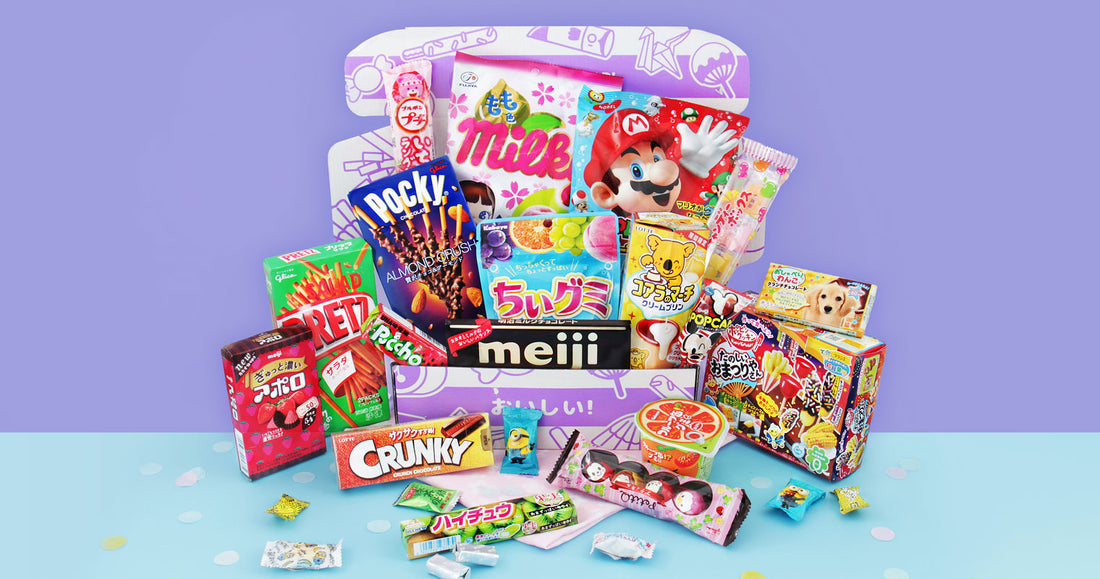
While you're at the konbini during lunch break, you can also buy snacks for recess! The Japanese convenience store has an assortment of snacking staples like Kit Kats, Pocky, Calbee Chips, chocolate, and other treats that you can share with your buddies.

So, now you know all the different foods Japanese students munch on at school to keep them going with their studies and club activities. Would you ever consider helping out at a Japanese school to make some Kyushoko for your classmates? Or would you ever want to learn how to make your own bento? Maybe konbini meals are something that you’re more interested in.
Whatever option you choose, Japanese meals are always healthy and well-balanced. Because in Japan, health always comes first. We hope you enjoyed our little field trip in discovering what Japanese students eat for lunch. Until the next food trip, ja ne!