Oshogatsu, or New Year, is one of the biggest holidays in Japan! While the rest of the world is busy partying till midnight, Japan celebrates New Year by following centuries-old traditions like visiting shrines (hatsumode), ringing bells (joya no kane), and buying lucky bags (fukubukuro). Not only that, but it’s very important in Japan that people eat traditional Japanese New Year food to help bring good luck to everyone in the family.
Let's jump right in!
- Osechi Ryori: Traditional Japanese New Year's Food
- Ichi no Juu (一の重)
- Ni no Ju (二の重)
- San No Ju (三の重)
- Other Jubako Tiers
- Other Traditional Japanese New Year Food

Also known as Osechi Ryori in Japan, these traditional Japanese New Year foods are colorful, tasty, and full of meaning. Grab your chopsticks and your bento box, we're going to go on a culinary adventure to learn more about all the tasty Japanese treats to eat during New Year's!
Osechi Ryori: Traditional Japanese New Year's Food

Originally, during the Nara to the Kamakura periods of Japan, osechi was served as rice stacked high in a bowl as an offering to the toshigami or Shinto deity of each family. Eventually, during the Muromachi period, it turned into a ritual feast by the daimyo or feudal lords of samurai society. Then, during the Edo Period, osechi morphed into a smorgasbord of Japanese New Year's dishes.
Today, Japan continues eating osechi during New Year's, wishing for fortune and health for the family. Arranging them in jubako (multi-tiered bento boxes that are used only for special occasions like oshogatsu), each dish in the osechi ryori has a specific meaning. Let's unstack each layer in the osechi jubako box!
Ichi no Juu (一の重)

This is the very first layer of the jubako for New Year's! Though there are no strict rules as to what you put in the ichi no juu, they're often filled with the first dish called kuchitori and appetizers called iwai-zakana, which is often paired with sake.

Kurikinton (栗きんとん)
This osechi dish is made from chestnuts stewed in soy sauce and sugar, all mixed with sweet potato paste. Sweet, creamy, and slightly nutty, this golden dish symbolizes prosperity and wealth.

Kobumaki (昆布巻)
A kelp roll stuffed with salmon and tied with a strip of kanpyo or dried gourd, kubomaki is simmered with essential Japanese ingredients like soy sauce, sake, mirin, and some sugar. Kobomaki represents joyfulness because "kobu" is part of the Japanese word for joyful or "yorokobu."

Kazunoko (数の子)
A herring roe marinated in dashi soy seasoning, Kazunoko symbolizes a prosperous family. Kazunoko is associated with fertility because it sounds a lot like "kazu no ooi ko," which means numerous children. If you're hoping for more kids in your family, then you'd better chomp on some of this special herring roe!

Tatakigobo (たたきごぼう)
Tatakigobo is an osechi dish that means "putting down roots." It's made from the roots of the burdock, a plant that grows deep into the soil. That's why the dish symbolizes a strong foundation. Tatakigobo is made by pounding burdock root and mixing it with soy sauce, vinegar, sugar, and sesame seeds.

Kuromame (黒豆)
Kuromame are black beans that beautifully contrast with the red lacquer of the jubako container for the New Year. Cooked with sugar, kuromame is usually sweet and slightly savory. It’s an important part of the osechi because in Japanese, the word "mame" or bean can also mean things like "living in good health" or "working hard."

Tazukuri (田作り)
Crunchy, sweet, and savory, tazukuri is a great starter to the osechi! This is a dish made of toasted anchovies coated in a honey-sauce glaze and topped with sesame seeds. Tazukuri is an essential part of the jubako because it symbolizes a good harvest.

Kamaboko (かまぼこ )
Made from boiled fish paste, this surimi or processed fish food often comes in two colors - red (pink) and white. These colors are filled with fortune in Japanese traditions. Red prevents evil spirits, while white represents purity.

Nishiki Tamago ( 錦卵/二色玉子)
White and gold in color, nishiki tamago is an auspicious dish that symbolizes wealth and good fortune. It's made by separating the egg yolk from the whites and then steaming them.

Datemaki (伊達巻)
Made from eggs, fish or shrimp paste, sugar, and mirin, datemaki is a sweet egg roll. Though it's a bit similar to tamagoyaki (Japanese omelette), this dish is more flavorful and is made specially for the New Year. Since it's shaped just like scrolls, datemake is a symbol for the Japanese wish to learn and gain more knowledge.
Ni no Ju (二の重)

This is the second layer of the jubako box. The Ni No Ju is filled with some of the main dishes of the osechi. That includes yakimono or grilled food. It also has sonomono, dishes marinated in vinegar that are meant to go together with the yakimono.

Buri no Teriyaki (ぶりの照り焼き)
Also known as yellowtail teriyaki, this dish is placed in the osechi for good luck at work. In Japan, yellowtail fish are called by different names based on their growth size. Since they grow so much, they've become a symbol of Japanese workers moving up in the workforce.

Ebi no Umani (えびのうま煮)
Ebi no umani is a shrimp dish that's simmered in a strongly seasoned broth. It adds color to the jubako as well as umami. This dish is an important part of the osechi because it symbolizes long life. That's because the shrimp look like old people with mustaches and hunched backs.

Tai No Sugatayaki (鯛の姿焼き)
This dish is made of sea bream that's lightly salted and then grilled to perfection. It's an important part of the osechi because the word tai or bream can also be found in the Japanese word "medetai," which means happiness.

Kikka Kabu (菊花かぶ)
This is a beautiful sonomono or pickled dish. Shaped like beautiful flowers, these vinegared turnips look like chrysanthemums. Kikka Kabu is prepared this way since the Japanese believe that these flowers have the power to ward off evil spirits.

Kohaku Namasu (紅白なます)
Another sonomono, kohako namasu, is used to cleanse the palate from all the grilled dishes in the jubako. Made of julienned carrots and daikon radish, this dish is marinated in a vinegar dressing. The red and white colors of the dish make it an auspicious treat.
San No Ju (三の重)

This is the third layer of the jubako, and this time it's filled with onishime or stewed vegetables. These veggies are an integral part of the osechi ryori because the phrase "oni shime," which means to slay demons. The dishes in the third layer of the jubako are there to free families from bad fortune.

Chizuken Ni (筑前煮)
A classic Japanese dish, chizuken ni is made up of lucky ingredients like dried shiitake mushrooms, chicken, carrots, renkon lotus root, and burdock root. It symbolizes a stable family, a long life, and good business.

Tazuna Konnyaku (手綱こんにゃく)
This dish is made of konyakku, a traditional Japanese ingredient made from the corm of the konjac plant. Konnyaku has a neutral flavor and a firm, jelly texture. In the osechi, it's shaped like tazuna or a horse braid. This knot-like shape is made to symbolize a good and happy marriage!
Other Jubako Tiers

Most of the time, the osechi jubako box only has three tiers, but sometimes families need more food, especially if there are more members to feed. When this happens, the second layer is split into two, with different boxes for yakimono and nishimono. To top it all off is the fifth tier called the "hikae-no-ju." It's usually left empty to give room for prosperity during the new year.
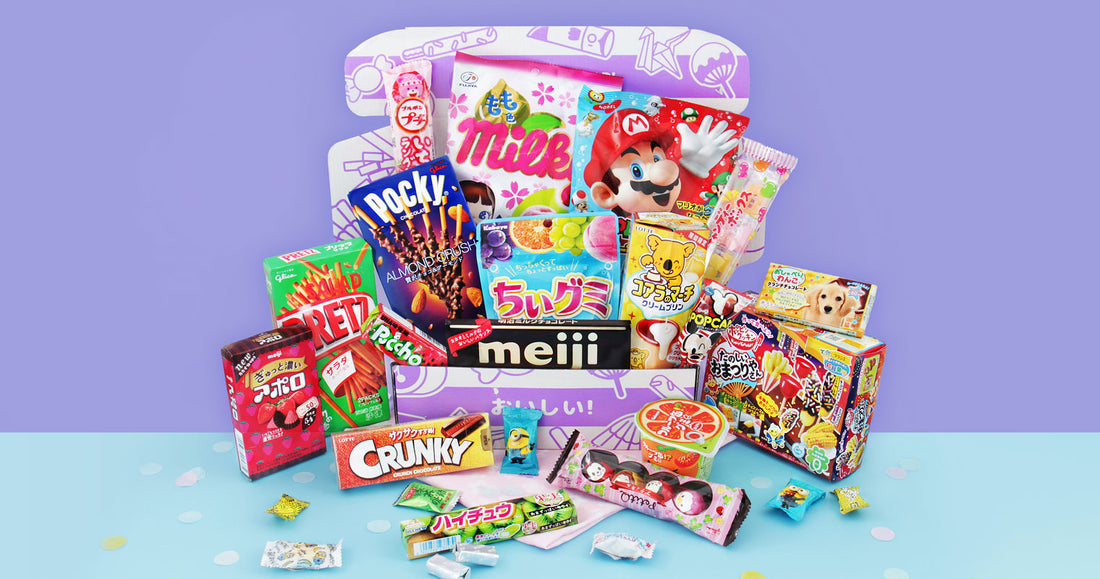
Wishing for some tasty Japanese snacks to add to your own jubako? Then check out Japan Candy Box. We have everything you need for a yummy Japanese New Year.

Other Traditional Japanese New Year Food

There are some traditional Japanese foods that are really important to New Year's that can't be added to the jubako. They're still an important part of the New Year's meal, though, so let's check them out.

Zoni (雑煮)
Zoni symbolizes a long life. The key ingredient of this dish is the mochi or rice cakes that are made during the mochitzuki ceremony for New Year's. The other ingredients vary from region to region. In the Eastern part of Japan, zoni has a clear broth. In Western Japan, the broth is made of miso.

Toshikoshi Soba (年越し蕎麦)
This traditional Japanese noodle bowl dish is eaten during New Year's Eve or Omisoka. Toshikoshi soba not only symbolizes a long life, but it also helps the Japanese let go of the previous year's hardship.

Zenzai (ぜんざい)
This is a sweet and warm Japanese red bean soup that the Japanese usually eat with mochi or sticky rice cakes. You won't find these in the osechi jubako box since it's usually served as a dessert. Sometimes, since the Japanese find the azuki beans in zenzai a bit too sweet, they'll add some salted plums to balance the dessert.

O-toso (屠蘇)
A spiced medicinal sake, o-toso, is traditionally drunk by families during Japanese New Year's celebrations. Drinking o-toso helps flush away the illnesses of the previous year to bring a clean slate for a long life. According to culture, "if one person drinks o-toso, his family will not fall ill; if the whole family does no one in the village will fall ill."

Oishi! We've come to the end of our food-filled adventure about traditional Japanese New Year food. We got to learn about all the different dishes that bring good health and fortune for Oshogatsu or New Year.

Which of the Japanese New Year dishes would you like to try? Are you curious about the grilled food? Maybe you'd like to have a spoonful of zoni? Let us know in the comments section below. Good food is always worth talking about!