The Unusual Japanese Valentine's Day Chocolate Tradition

Posted on
The Unusual Japanese Valentine's Day Chocolate Tradition

Valentine’s Day in Japan looks familiar at first glance. Chocolate fills the stores, hearts are everywhere, and February 14 feels special. But once you look closer, something feels different. The day centers on Japanese chocolate, not flowers, cards, or dinner dates. 

Let's jump right in!

  1. Is Japanese Valentine’s Day Different?
  2. Types of Japanese Valentine’s Day Chocolates

And in Japan, Valentine’s Day chocolate is rarely just a sweet treat. Who gives it, who receives it, and even what kind it is can all mean different things. Ready to learn more? Unwrap your favorite chocolate and follow along as we explore how Japan turned a simple treat into something sweet, surprising, and a little unusual!


Is Japanese Valentine’s Day Different?

In many countries, Valentine’s Day is about couples exchanging gifts or going on dates. But in Japan, the focus shifts almost completely to chocolate. Every February, stores transform into chocolate wonderlands, with shelves packed full of Valentine-only treats.


And the biggest difference? Women are the ones expected to give chocolates to men! This idea started long ago through a chocolate company's marketing campaign and slowly became the norm. Today, women give Japanese chocolate to lots of people, like their crush, a partner, coworkers, teachers, friends, or even themselves.


Shopping for chocolate for your special someone this Valentine's? Japan Candy Box has all the Japanese chocolates and sweets you need this Heart's Day!


Types of Japanese Valentine’s Day Chocolates

Chocolate-giving in Japan on Valentine’s Day has a set of rules. comes with its own set of rules. You can’t just grab any chocolate and call it a day. The meaning changes depending on who you’re giving it to. So how do you know which Japanese chocolate for Valentine's is which? Let’s break it down.


Honmei-choco (ほんめいちょこ)

Also known as “true love chocolate,” Honmei choco is given to someone you truly like or love, like a husband, boyfriend, or crush. This is the chocolate that says, “You matter to me.”

It can be fancy and expensive, but homemade chocolates are especially popular. Every February, stores sell chocolate molds, baking kits, cute wrappers, and decorations to help people create something personal.


Giri-choco (ぎりちょこ)

Giri-choco means “obligation chocolate,” and yes, it sounds exactly as awkward as it feels. This is the chocolate given out of politeness, not romance, to coworkers, bosses, teachers, or classmates.

Because giri-choco is about courtesy, it’s usually affordable and easy to find. In offices, it’s common to buy one big box and share it around instead of giving individual gifts. Over time, this practice became so common that many women felt pressured to buy Japanese chocolate for multiple people every year.


That pressure didn’t go unnoticed. In 2018, Godiva Japan even made headlines by publicly encouraging people to stop giving giri-choco, calling it unnecessary stress. Still, giri-choco hasn’t disappeared. It’s a reminder that Valentine’s Day in Japan isn’t only about romance, but also about social balance.


Tomo-choco (ともちょこ)

This “friend chocolate” is shared with friends on Valentine’s Day as a way to show appreciation for their friendship, not romance. It comes from the Japanese word tomodachi, which means “friend.” It’s casual, fun, and especially popular among students.

There are two types of tomo-choco. Yuri choco is chocolate exchanged between women. Homo choco refers to chocolate given between men, often among friends or coworkers.


Gyaku-choco (ぎゃくちょこ)

Also known as “reverse chocolate,” this type of chocolate flips the script. It’s when men give chocolates to women on Valentine’s Day, which is the opposite of Japan’s tradition. Some guys like to surprise their crush or girlfriend with sweets, too!

This trend is relatively new and likely started as a marketing idea, but many people welcomed it. For some, it feels more natural. For others, it’s a fun way to break from tradition.


Jibun-choco (じぶんちょこ)

And finally, the most relatable one, jibun-choco or “self-love chocolate.” You buy this for yourself. No meanings to decode. No expectations to meet. Just tasty Japanese chocolate you genuinely want to enjoy.

With the pressure of giri choco and the effort of honmei choco, it’s no surprise that self-gifting has become popular. Department stores now actively promote high-end chocolates meant just for personal enjoyment. Many people even say this is the best part of Valentine’s Day.


So, there you have it! Japanese Valentine’s Day chocolate may look simple at first, but it carries a lot of meaning. One small gift can show love, friendship, politeness, appreciation, or even self-care, all depending on the situation. It’s not just about giving sweets. It’s about choosing the right chocolate for the right person, and sometimes, choosing one just for yourself.

If you were celebrating Valentine’s Day in Japan, which type of chocolate would you choose? Would you give it to your crush? Or would you go straight for jibun-choco and keep it all to yourself? Let us know in the comments!
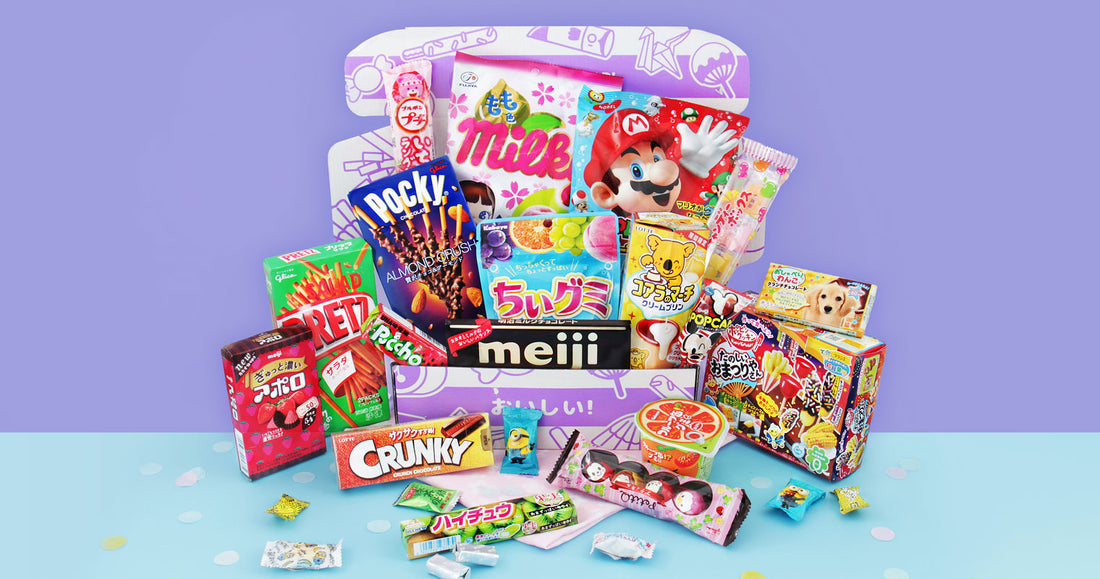
Enjoy Delicious Japanese Candy & Snacks every month!

Get Japan Candy Box

Leave a comment

Please note, comments need to be approved before they are published.

Latest Posts

What Do Sumo Wrestlers Eat?

What Do Sumo Wrestlers Eat?

Everyone knows that sumo wrestlers have to be big! So what exactly do sumo wrestlers eat to keep their size? Do they still keep a healthy diet? Do sumotori have...

What Do Sumo Wrestlers Eat?

Everyone knows that sumo wrestlers have to be big! So what exactly do sumo wrestlers eat to keep their size? Do they still keep a healthy diet? Do sumotori have...

The Ultimate Guide to Traditional Japanese New Year’s Food

The Ultimate Guide to Traditional Japanese New Year’s Food

Oshogatsu, or New Year, is one of the biggest holidays in Japan! While the rest of the world is busy partying till midnight, Japan celebrates New Year by following centuries-old...

The Ultimate Guide to Traditional Japanese New Year’s Food

Oshogatsu, or New Year, is one of the biggest holidays in Japan! While the rest of the world is busy partying till midnight, Japan celebrates New Year by following centuries-old...

KFC Japanese Christmas

How KFC Became A Japanese Christmas Tradition

In the West, people usually celebrate Christmas with roasted turkey, ham, mashed potatoes, cakes, and eggnog. But in Japan, the Yuletide season is a whole lot different! Japanese Christmas is...

How KFC Became A Japanese Christmas Tradition

In the West, people usually celebrate Christmas with roasted turkey, ham, mashed potatoes, cakes, and eggnog. But in Japan, the Yuletide season is a whole lot different! Japanese Christmas is...

Top 12 Japanese Autumn Snacks!

Top 12 Japanese Autumn Snacks!

Japan is a country that eats with the seasons! Japanese people believe in shun, or the concept of enjoying seasonal ingredients during the height of their freshness and flavor. From...

Top 12 Japanese Autumn Snacks!

Japan is a country that eats with the seasons! Japanese people believe in shun, or the concept of enjoying seasonal ingredients during the height of their freshness and flavor. From...

The Best Japanese Halloween Candy & Treats

The Best Japanese Halloween Candy & Treats

Japanese Halloween candies and snacks are on a different level from those that you get in the US. Japan is a country that loves to eat with the seasons, so...

The Best Japanese Halloween Candy & Treats

Japanese Halloween candies and snacks are on a different level from those that you get in the US. Japan is a country that loves to eat with the seasons, so...

Enjoy Delicious Japanese Candy & Snacks every month!

Get Japan Candy Box

Latest Posts

What Do Sumo Wrestlers Eat?

What Do Sumo Wrestlers Eat?

Everyone knows that sumo wrestlers have to be big! So what exactly do sumo wrestlers eat to keep their size? Do they still keep a healthy diet? Do sumotori have...

What Do Sumo Wrestlers Eat?

Everyone knows that sumo wrestlers have to be big! So what exactly do sumo wrestlers eat to keep their size? Do they still keep a healthy diet? Do sumotori have...

The Ultimate Guide to Traditional Japanese New Year’s Food

The Ultimate Guide to Traditional Japanese New ...

Oshogatsu, or New Year, is one of the biggest holidays in Japan! While the rest of the world is busy partying till midnight, Japan celebrates New Year by following centuries-old...

The Ultimate Guide to Traditional Japanese New Year’s Food

Oshogatsu, or New Year, is one of the biggest holidays in Japan! While the rest of the world is busy partying till midnight, Japan celebrates New Year by following centuries-old...

KFC Japanese Christmas

How KFC Became A Japanese Christmas Tradition

In the West, people usually celebrate Christmas with roasted turkey, ham, mashed potatoes, cakes, and eggnog. But in Japan, the Yuletide season is a whole lot different! Japanese Christmas is...

How KFC Became A Japanese Christmas Tradition

In the West, people usually celebrate Christmas with roasted turkey, ham, mashed potatoes, cakes, and eggnog. But in Japan, the Yuletide season is a whole lot different! Japanese Christmas is...

Top 12 Japanese Autumn Snacks!

Top 12 Japanese Autumn Snacks!

Japan is a country that eats with the seasons! Japanese people believe in shun, or the concept of enjoying seasonal ingredients during the height of their freshness and flavor. From...

Top 12 Japanese Autumn Snacks!

Japan is a country that eats with the seasons! Japanese people believe in shun, or the concept of enjoying seasonal ingredients during the height of their freshness and flavor. From...

The Best Japanese Halloween Candy & Treats

The Best Japanese Halloween Candy & Treats

Japanese Halloween candies and snacks are on a different level from those that you get in the US. Japan is a country that loves to eat with the seasons, so...

The Best Japanese Halloween Candy & Treats

Japanese Halloween candies and snacks are on a different level from those that you get in the US. Japan is a country that loves to eat with the seasons, so...